


Storm Damage Roof Repairs in Newcastle: What to Do Before Starting an Insurance Claim

If you are looking for storm damage roof repairs Newcastle homeowners can rely on after high winds or heavy rain, the first few steps matter. What you do in the hours after a storm can affect the condition of your roof, the cost of the repair and how straightforward it is to deal with your insurer.
At Falcus Roofing Ltd, we carry out roof repairs and insurance work across Newcastle upon Tyne and Gateshead. As a family-run roofing company based in Swalwell, with over 28 years of experience, we know how quickly a slipped slate, damaged ridge tile or affected chimney stack can turn into a much bigger problem if it is left too long.
Below, we explain what to do before starting an insurance claim, what not to do, and when it makes sense to get a professional roof inspection.
Storm damage roof repairs Newcastle: what to do first
After a storm, it is natural to want answers immediately. The priority is not paperwork. The priority is safety, evidence and preventing the damage from getting worse.
Before you start an insurance claim, focus on these first steps:
Make sure everyone in the property is safe.
Take clear photos and notes of visible damage.
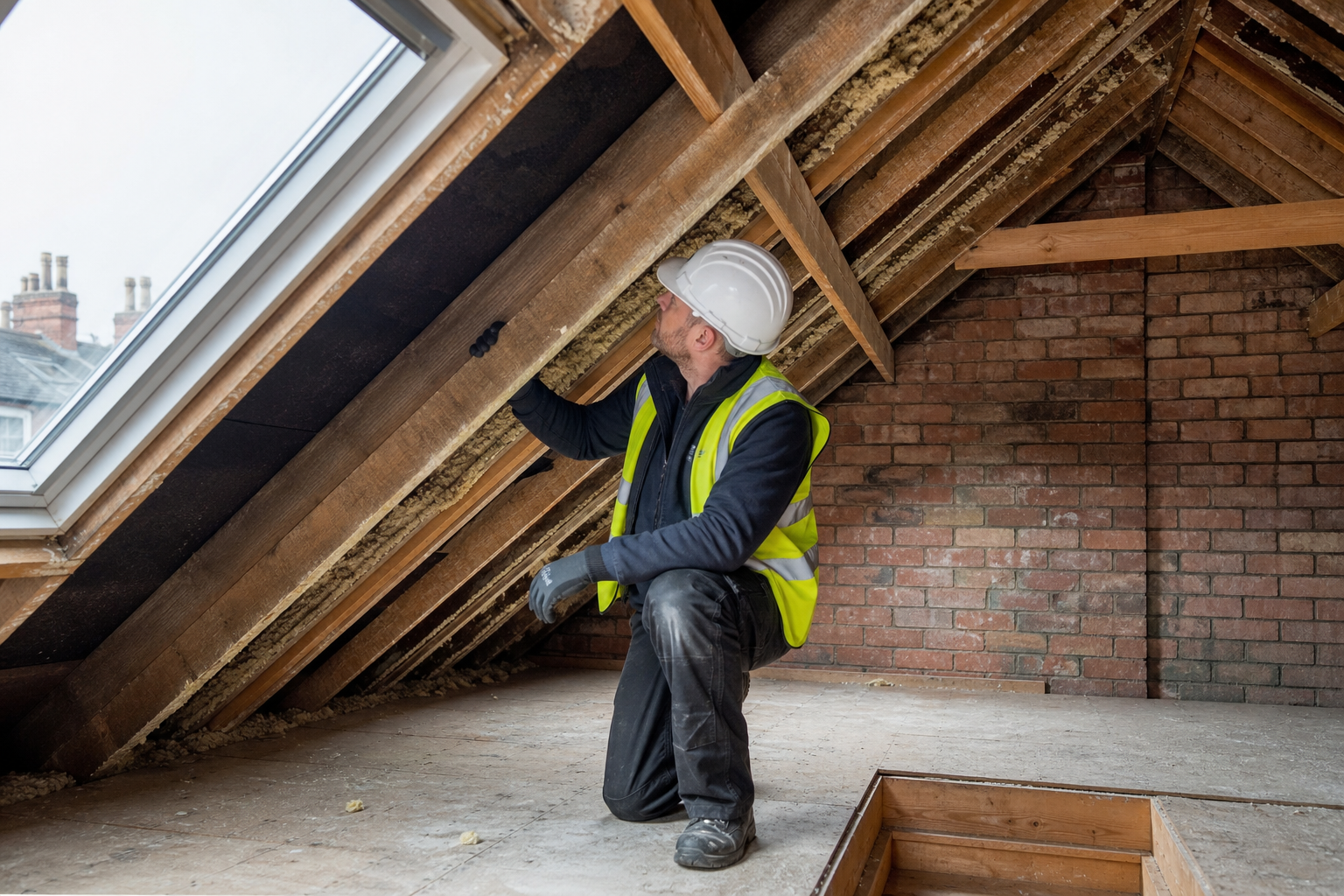
Arrange a professional roof inspection.
Take sensible temporary steps to limit further damage.
Keep records of anything you spend on emergency protection.
Taking these steps early can help you make informed decisions rather than guessing from ground level.
1. Make safety the priority before anything else
Storm-damaged roofs can be dangerous. Loose slates, cracked tiles, unstable ridge sections and affected chimney masonry can all create risk.
Do not climb onto the roof yourself. Even if the damage looks minor from the garden or driveway, the surface may be slippery, unstable or weakened.
Keep clear of any area where materials may have fallen.
Move valuables away from any active leaks if it is safe to do so.
Use buckets or towels to manage water ingress indoors.
If water is close to electrical fittings, take appropriate safety advice straight away.
A professional inspection is the safest way to find out whether the problem is a few displaced tiles or something more serious affecting the wider roof structure.
2. Record the damage properly before you contact your insurer
Good records can make the next stage much easier. They help show the condition of the roof after the storm and support any discussions about the scope of repairs.
Take clear photos from ground level
Photograph any visible damage from several angles. Useful images may include missing slates or tiles, debris on the ground, dislodged guttering, damaged flashing, water marks on ceilings and any obvious issues around a chimney stack or flat roof edge.
Make notes while the details are fresh
Write down when the storm happened, when you first noticed the issue and what signs of damage you have seen since. That might include a new leak, damp patch, fallen materials or water entering around a roof window.
Keep receipts for emergency protection
If you have had to buy materials to catch leaks indoors or pay for urgent temporary protection, keep the receipts. It is also sensible to keep a record of any communication about the problem.
Do not dispose of damaged materials too quickly
If slates, tiles or other roofing components have fallen and can be kept safely, do not rush to throw them away. They may help show the nature of the damage.
3. Arrange a professional roof inspection before starting the claim
One of the most useful things you can do is get the roof inspected promptly. Storm damage is not always obvious from the ground. What looks like one slipped tile could involve lifted leadwork, damaged ridge mortar, weakened flashing or hidden water entry points.
A professional inspection helps you understand:
What has actually been damaged
Whether the issue is isolated or more widespread
What temporary protection may be needed
What permanent repairs are likely to be required
Whether it is sensible to proceed with a claim once you know the likely scope of work
At Falcus Roofing Ltd, we provide roof repair services in Newcastle upon Tyne with clear advice and a free, no-obligation quote. That gives homeowners a much firmer starting point before speaking with an insurer about repair costs.
4. Common types of storm damage we see on roofs in Newcastle
Storms rarely affect every roof in the same way. The exact issue depends on the age of the roof, the materials used and where the weak points are.
Slipped, cracked or missing slates and tiles
Strong winds can lift roofing materials, especially if they were already weathered or loosened over time. Even a small gap can allow rainwater to track into the roof space.
Damage to ridge tiles, verges and leadwork
Exposed roof edges and ridge lines take the full force of the weather. If lead flashing lifts or ridge sections become unstable, water can get into areas that are difficult to spot from inside the property at first.
Chimney stack issues
Storms can expose weak pointing, damage leadwork around the base of the stack or worsen movement in the masonry. A chimney problem is not just cosmetic. It can lead to leaks and, in some cases, create safety concerns if parts become loose.
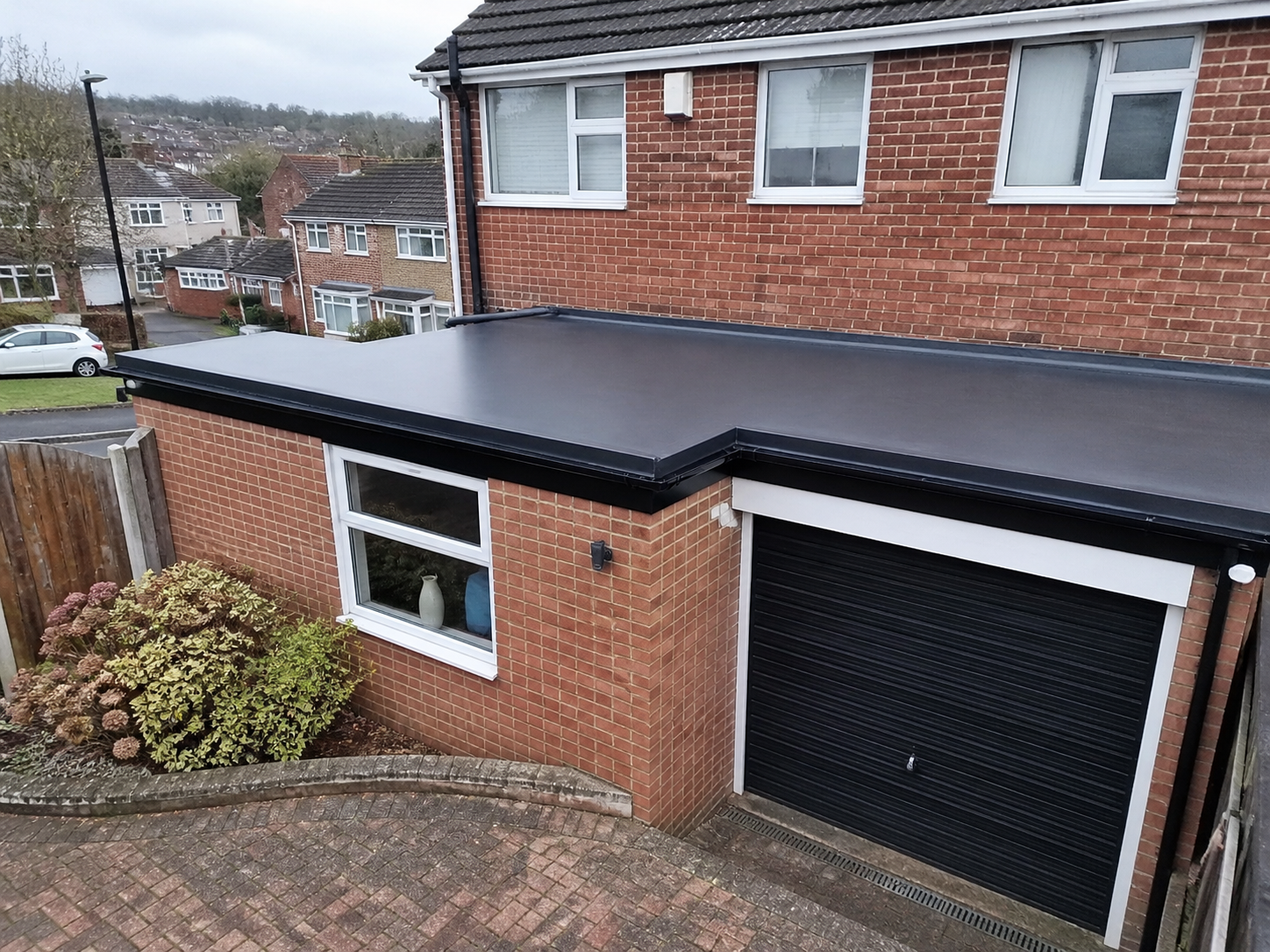
Flat roof and felt or rubber roof damage
Heavy rain and wind can exploit weak seams, edges and flashings on flat roofs. Water may enter long before the source is obvious from inside the building.
Guttering and roofline problems
Storms can loosen gutters, affect downpipes and damage uPVC roofline sections. If rainwater is not directed away properly, that can add to the problem and increase the risk of staining or damp around the property.
5. Should you call a roofer or the insurer first?
In many cases, homeowners are unsure whether to contact a roofer first or open a claim straight away. The right order depends on the situation, but when there is visible damage or active water ingress, getting the roof assessed quickly is often the most practical first step.
A good approach is usually:
Get the roof made safe if needed. Preventing further damage is important.
Arrange a professional inspection. This helps confirm what has happened.
Review your policy excess and likely repair scope. That can help you decide how you want to proceed.
Contact your insurer with clear information. You will be in a stronger position when you can explain the damage properly.
It is also worth checking your policy wording, as requirements can vary. A professional roofer cannot approve a claim, but they can help you understand the roof condition and the repair work involved.
If you need support with insurance roofing work, we can inspect the roof, identify visible storm-related issues and provide a clear quotation for the repairs required.
6. What not to do before an insurance claim
Small mistakes after a storm can create bigger problems later. Avoid these common errors:
Do not climb onto the roof yourself. Safety comes first.
Do not ignore a minor leak. Water can spread beyond the first visible stain.
Do not rely on a ground-level guess. Hidden damage is common.
Do not delay temporary protection. If the roof is letting in water, further damage can escalate quickly.
Do not assume every repair should become a claim. Once you know the likely repair scope and your policy excess, you can make a more informed decision.
The aim is to act promptly and sensibly, without causing extra risk or extra damage.
7. Storm damage often affects more than the main roof covering
After bad weather, many homeowners focus on the obvious missing tile or slate and overlook the surrounding details. In practice, storm damage can extend to several connected parts of the roof.
Chimney stacks: lead flashing, pointing and masonry can all be affected.
Flat roofs: edges, joints and coverings may lift or split.
Leadwork: flashing around abutments and roof junctions can open up.
Roofline: fascia, soffits and guttering may loosen or break.
Roof windows and dormers: seals and surrounding materials can become vulnerable in severe weather.
We regularly carry out chimney stack repairs, leadwork, slate roofing, roof tiling, felt roofing, rubber roofing and general roof repairs across Newcastle upon Tyne and Gateshead.
Why homeowners choose Falcus Roofing Ltd
When a roof has been damaged by a storm, you need practical advice and workmanship you can trust.
Family-run roofing company based in Swalwell, Newcastle upon Tyne
Over 28 years of roofing experience
Fully insured
Residential and commercial roofing services
Free, no-obligation quotes
Experience across slate, tile, felt, leadwork, roof repairs, chimney stacks and insurance work
Our role is simple: assess the problem clearly, explain the next step and carry out the repair work needed to protect your property.
FAQs about storm damage roof repairs in Newcastle
What counts as storm damage to a roof?
Storm damage can include missing or broken slates and tiles, damaged ridge sections, lifted lead flashing, leaks caused by wind-driven rain, affected chimney masonry and damage to flat roof coverings or guttering.
Can I make temporary repairs before speaking to my insurer?
Taking sensible steps to prevent further damage is usually important, but temporary work should be limited to what is necessary and safe. Keep records, take photos first where possible and retain any receipts.
How quickly should storm damage be inspected?
As soon as possible. Even if the leak seems small, water can spread into the roof space, insulation or internal ceilings. Early inspection can reduce the risk of a larger repair later.
Will I need a quote for roof repairs before making a claim?
Insurers often ask for details of the damage and the likely repair cost. A professional roof inspection and clear quotation can help you understand the work involved before you decide how to proceed.
Can storm damage affect chimney stacks and flat roofs as well as tiled roofs?
Yes. Storms can affect chimney stacks, leadwork, flat roofs, felt roofs, rubber roofs, guttering and roofline components as well as slate and tiled roofs. That is why a full inspection matters.
Book a free roof inspection and quote
If you suspect storm damage, do not wait for a small roofing problem to become internal water damage or a more expensive repair. Acting early gives you clearer information and a better chance of limiting further issues.
At Falcus Roofing Ltd, we offer a free, no-obligation roof inspection and quote for storm-related roofing problems in Newcastle upon Tyne and Gateshead. If you need straightforward advice, a clear repair plan and trusted local roofers, contact our team today.
Comments